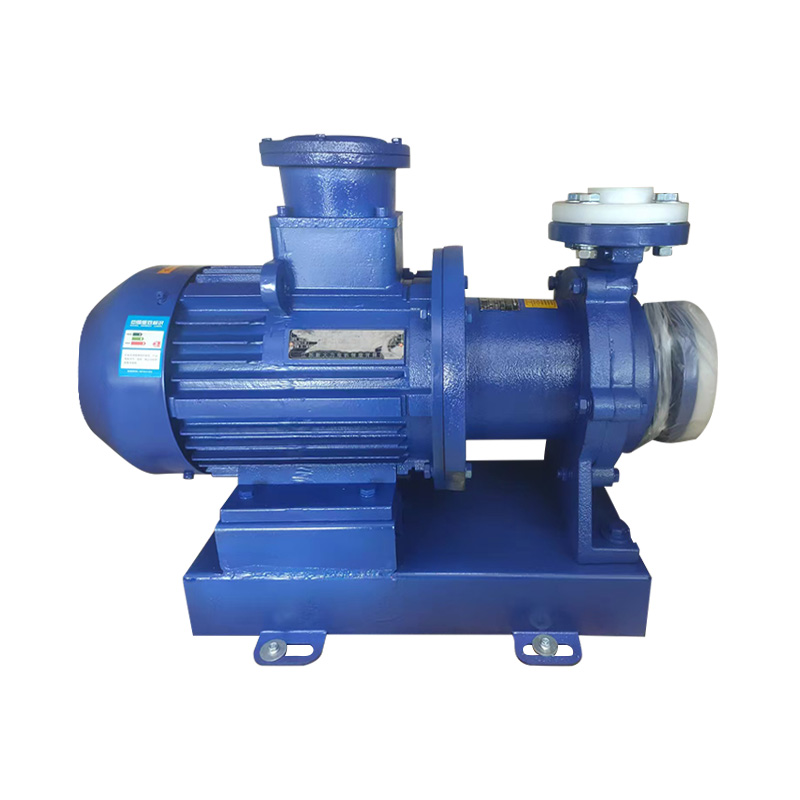
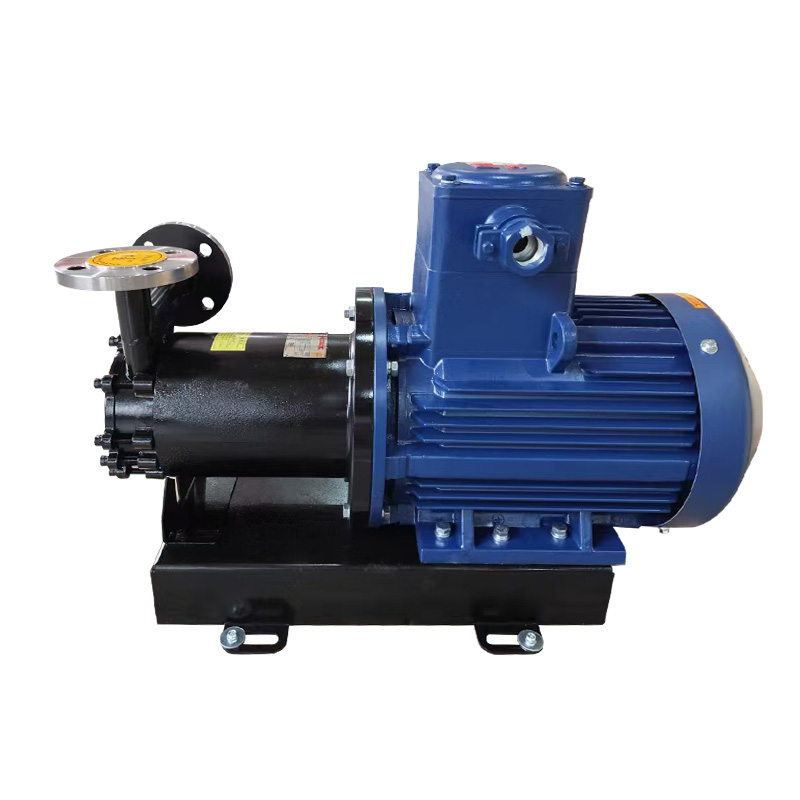
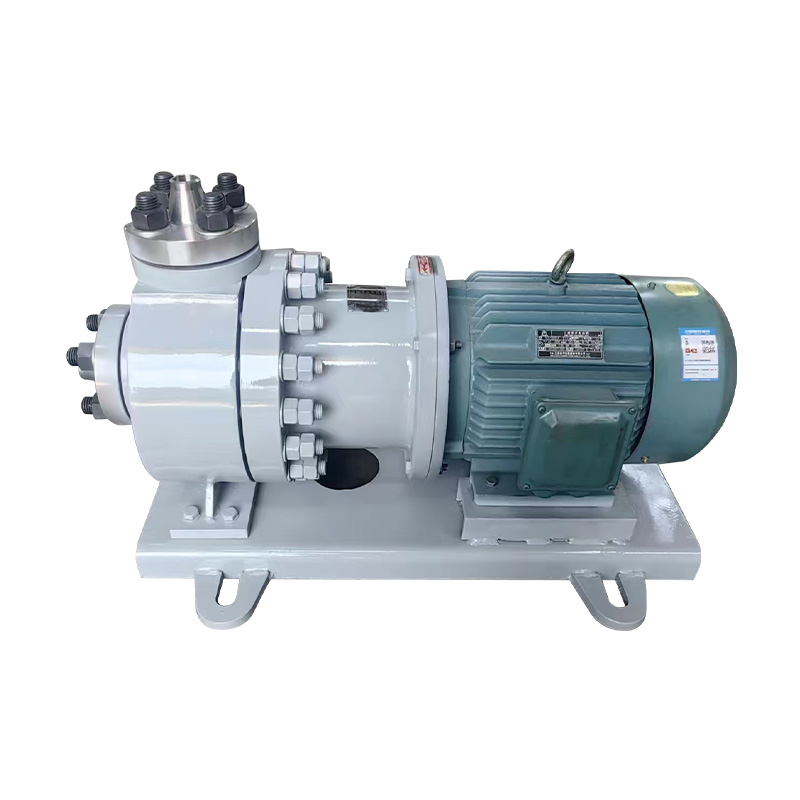
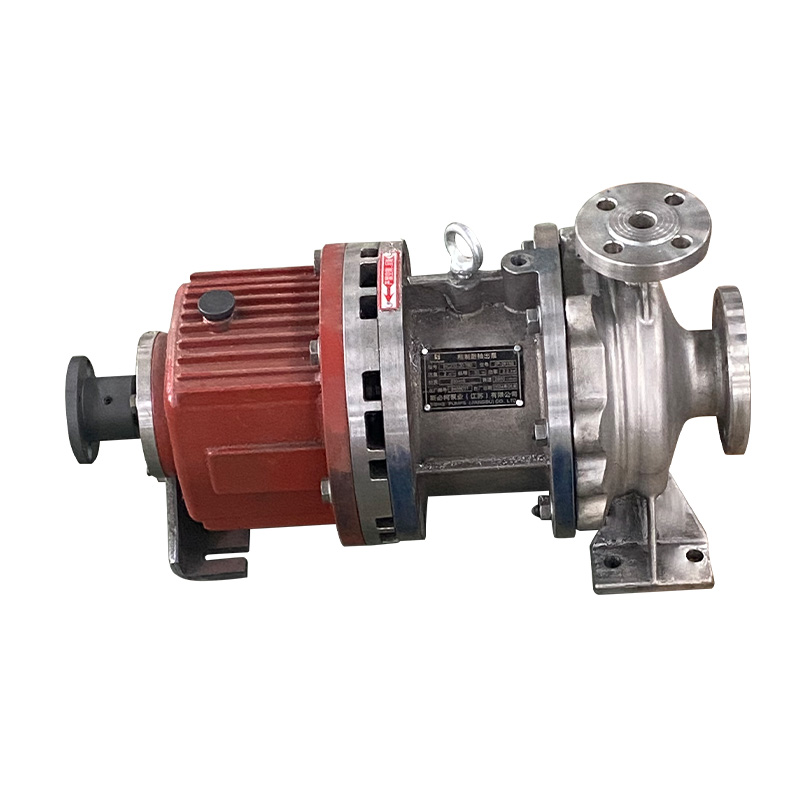
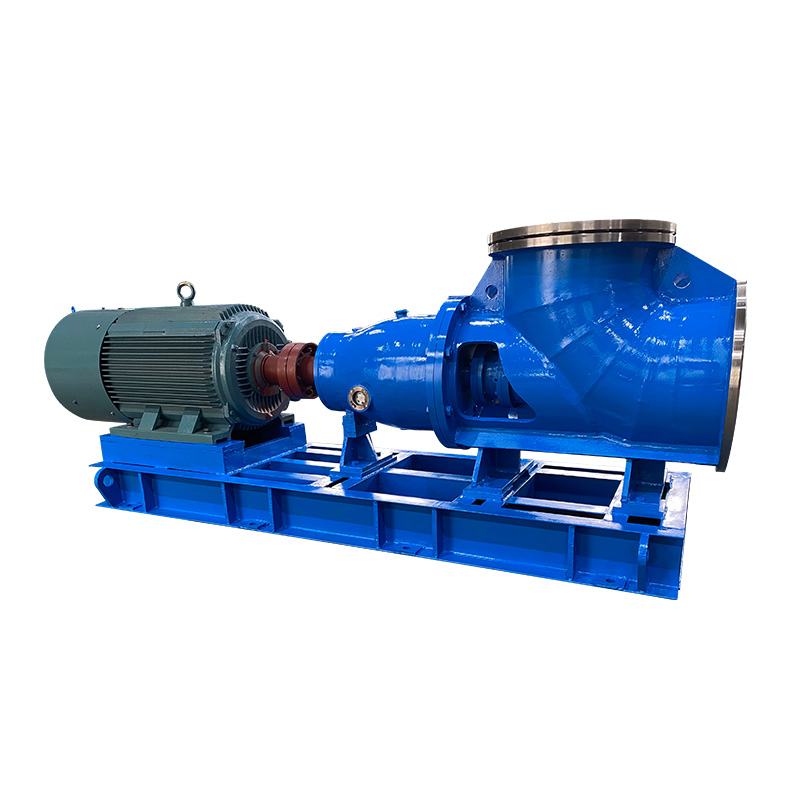
Large-volume water transfer projects, including flood control, irrigation, and land reclamation, often depend on equipment capable of moving high flow rates at relatively low pressure. A vertical axial flow pump is commonly selected for this purpose, using a propeller-type impeller mounted on a vertical shaft to move water parallel to the shaft axis. This design allows the pump to handle large volumes efficiently in applications where lift height requirements are modest but flow demand is significant.
01Working Principle and Structural Characteristics
A vertical axial flow pump moves water using a propeller-shaped impeller housed inside a cylindrical casing. As the impeller rotates, water is pushed in a direction parallel to the pump shaft rather than being thrown outward, which is how centrifugal pumps operate. This axial movement allows the pump to deliver a high flow rate at comparatively low head, making it well suited to applications where large quantities of water must be moved over short vertical distances.
The vertical orientation places the motor above the pump body, with the shaft extending downward through the casing to the submerged impeller. This configuration keeps the drive components accessible above the waterline while allowing the impeller to remain fully submerged during operation, which supports consistent priming and reduces the risk of air entrainment.
02Technical Specifications and Performance Factors
Performance evaluation of a vertical axial flow pump depends on several interrelated parameters, summarized below.
| Parameter | Typical Range | Performance Impact |
|---|---|---|
| Flow Rate | Several hundred to tens of thousands m³/h | Determines suitability for large-scale transfer |
| Total Head | Low to medium head range | Defines vertical lift capability |
| Impeller Blade Angle | Adjustable or fixed configuration | Affects flow and head relationship |
| Shaft Length | Varies by installation depth | Determined by submersion and station design |
| Motor Power | Sized to flow and head requirement | Drives overall energy consumption |
| Efficiency | Peaks near designed operating point | Affects long-term operating cost |
03Where Axial Flow Pumps Are Used: Industry Applications
Flood Control
Used in drainage stations to remove excess water quickly during heavy rainfall or flood events.
Irrigation Systems
Moves large volumes of water from rivers or reservoirs into agricultural distribution channels.
Land Reclamation
Transfers water in and out of low-lying land areas during reclamation and drainage projects.
Aquaculture Systems
Circulates large water volumes in ponds and tanks to maintain water quality and oxygen levels.
Municipal Water Transfer
Supports inter-basin or inter-reservoir transfer projects requiring continuous high-volume flow.
Industrial Cooling Circulation
Circulates cooling water in facilities requiring sustained high-flow, low-head performance.
04Comparison With Centrifugal Pumps
Understanding the difference between centrifugal and axial flow designs helps clarify why a vertical axial flow pump is chosen for specific projects.
| Feature | Centrifugal Pump | Vertical Axial Flow Pump |
|---|---|---|
| Flow Direction | Radial, water thrown outward | Axial, water moves parallel to shaft |
| Typical Head Range | Low to high head | Low to medium head |
| Typical Flow Capacity | Moderate | High volume capacity |
| Best Suited For | Higher pressure, moderate volume applications | Large volume, low lift applications |
| Impeller Design | Radial or mixed flow vanes | Propeller-type blades |
05Selection Fundamentals: How to Think About Axial Flow Pump Choice
Choosing an appropriate pump involves evaluating the relationship between flow requirements, head conditions, and installation constraints rather than focusing on a single specification. Key considerations include:
- Confirming the required flow rate against actual project demand rather than nameplate maximum values
- Matching the head range to the specific vertical lift condition of the site
- Reviewing impeller blade type, fixed or adjustable, based on variable operating conditions
- Assessing water quality and sediment content, which influences material and coating selection
- Confirming shaft length compatibility with the installation depth and station structure
- Reviewing motor sizing to avoid both underpowering and unnecessary energy consumption
06Installation and Operational Recommendations
Proper installation directly affects long-term pump reliability. The pump should be installed with the shaft aligned vertically and free of angular deviation, since misalignment increases vibration and bearing wear. Sufficient submersion depth of the impeller must be maintained to avoid air entrainment and cavitation. During commissioning, flow and vibration levels should be checked against baseline values, and the bearing housing temperature should be monitored during initial operation to confirm normal lubrication and cooling performance.
07Common Faults of Vertical Axial Flow Pumps in Operation
No Water or Reduced Flow After Startup
This condition is often caused by insufficient submersion depth, air trapped in the casing, incorrect rotation direction, or a blocked intake. Checking impeller submersion, confirming rotation direction, and clearing intake obstructions typically resolve the issue.
Excessive Vibration or Noise
Vibration or abnormal noise frequently results from shaft misalignment, impeller imbalance, loose foundation bolts, or debris caught in the impeller. Inspecting shaft alignment, tightening mounting components, and clearing obstructions generally addresses this fault.
Sudden Current Increase or Drop
A sudden rise in motor current may indicate mechanical overload, impeller blockage, or bearing wear, while a drop may suggest reduced load from air entrainment or a partially closed valve. Reviewing load conditions and inspecting the impeller and drivetrain helps identify the cause.
Bearing Housing Overheating
Elevated bearing housing temperature is commonly linked to insufficient lubrication, excessive axial or radial load, or prolonged operation beyond rated conditions. Verifying lubrication levels and confirming the pump is operating within its rated performance range are recommended first steps.
08Common Mistakes and Overlooked Considerations
- Selecting pump capacity based only on peak flow without considering typical operating conditions
- Overlooking sediment or debris content in the water source during material selection
- Underestimating the importance of correct shaft alignment during installation
- Delaying inspection of bearing housing temperature until a fault has already developed
- Ignoring submersion depth requirements during seasonal water level changes
9Conclusion
A vertical axial flow pump is a practical solution for projects requiring high-volume water movement at low to medium head. Understanding its working principle, key specifications, common operational faults, and selection considerations supports more informed planning for flood control, irrigation, and water transfer applications.
FAQFrequently Asked Questions
What is the purpose of an axial flow pump?
Its purpose is to move large volumes of water in a direction parallel to the pump shaft, making it suitable for high-flow, low-head applications such as drainage and irrigation.
What is the purpose of a vertical pump?
A vertical pump positions the motor above the water source with the impeller submerged below, allowing efficient operation in wet wells, channels, or open water sources.
What is the difference between a centrifugal pump and an axial flow pump?
A centrifugal pump moves water radially and is suited to higher pressure applications, while an axial flow pump moves water parallel to the shaft and is suited to high-volume, low-head applications.
What are common vertical pump problems?
Common issues include reduced flow after startup, excessive vibration or noise, sudden current fluctuations, and bearing housing overheating, often linked to installation or maintenance conditions.
How long do vertical pumps last?
Service life depends on operating conditions, water quality, and maintenance practices, with properly maintained units generally providing extended operational periods under normal duty cycles.
Why does a pump produce little or no water after startup?
This is often caused by insufficient impeller submersion, trapped air, incorrect rotation direction, or intake blockage, all of which should be checked during troubleshooting.
What causes bearing housing overheating in vertical pumps?
Overheating is typically related to insufficient lubrication, excessive load, or operation outside the rated performance range of the pump.